

Why review response automation matters
Reviews influence trust before a customer ever speaks to you. A small local business can lose leads if reviews sit unanswered, especially when the review is negative and the business looks silent.
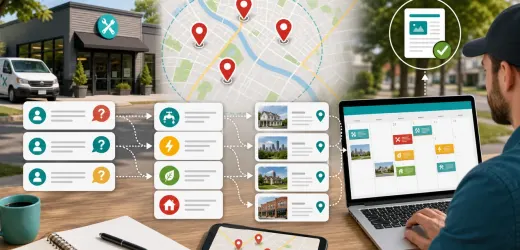
AI review response automation helps the team respond faster without sounding robotic. The best workflow does not publish AI replies automatically. It monitors reviews, classifies sentiment, drafts a response, and creates a review task for a human.
This is a good supporting workflow for AI customer support automation, because reviews are often public support conversations.
The basic workflow
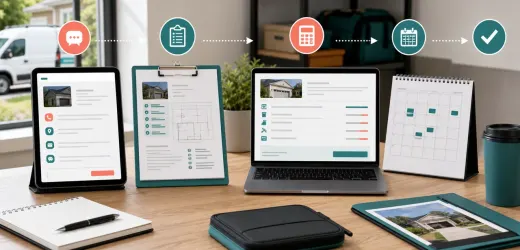
A practical review response workflow:
1. A new review is detected.
2. AI classifies sentiment and topic.
3. The workflow creates a task.
4. AI drafts a response.
5. Sensitive reviews are escalated.
6. A human reviews and publishes.
7. Themes are logged for improvement.
The system should improve response speed while keeping public communication under control.
Classify reviews by sentiment and topic
Sentiment can be:
- Positive.
- Neutral.
- Negative.
- Mixed.
Topic can be:
- Staff.
- Delivery.
- Pricing.
- Product quality.
- Appointment experience.
- Support response.
- Billing.
- Wait time.
- Other.
This turns reviews into useful operations data.
Drafting positive review responses
Positive replies should be short and specific:
- Thank the reviewer.
- Mention one detail from the review.
- Avoid generic copy-paste language.
- Keep it warm and professional.
Prompt:
```
Draft a short public reply to this positive review.
Thank the customer.
Mention one specific detail.
Do not include private information.
Keep it under 70 words.
```
Drafting negative review responses
Negative replies need more care. The response should:
- Acknowledge the concern.
- Stay calm.
- Avoid arguing.
- Avoid exposing private details.
- Invite the customer to contact the business directly.
- Avoid admitting fault unless approved.
Prompt:
```
Draft a calm public reply to this negative review.
Acknowledge the concern without arguing.
Do not reveal private customer details.
Do not admit fault or promise compensation.
Invite the reviewer to contact the business directly.
Keep it under 90 words.
```
Every negative review response should be reviewed by a human.
Escalation rules
Escalate reviews that mention:
- Safety.
- Legal threats.
- Fraud.
- Discrimination.
- Payment disputes.
- Staff misconduct.
- Personal information.
- Very angry language.
AI should not handle these alone. It should create a priority task and notify the owner or manager.
Turn reviews into improvements
Reviews are not only reputation work. They are feedback. A weekly summary can show:
- Common complaints.
- Repeated praise.
- Staff training needs.
- Process friction.
- Product issues.
- Missed expectations.
This connects review automation to AI knowledge base automation. Repeated questions or complaints often reveal missing information customers need earlier.
Use review themes for content
Review themes can become helpful articles:
- What to expect before your first appointment.
- How our quote process works.
- How to prepare for a service visit.
- What happens after booking.
- How support requests are handled.
This content can reduce confusion and bring in search traffic.
What to avoid
Avoid publishing AI-generated replies automatically.
Avoid defensive language.
Avoid mentioning private details.
Avoid using the same reply template for every review.
Avoid offering refunds or compensation in public unless the business owner approves.
Metrics to track
Track:
- Average review response time.
- Number of unanswered reviews.
- Sentiment trend.
- Topics mentioned most often.
- Escalated reviews.
- Draft acceptance rate.
- Issues fixed from review themes.
If reviews repeatedly mention the same problem, the answer is operational improvement, not better wording.
Final checklist
Before launch:
- Review sources are monitored.
- Sentiment categories are defined.
- Topic categories are defined.
- Negative reviews require human approval.
- Escalation rules are clear.
- Weekly review theme report exists.
- Public replies avoid private information.
AI review response automation should protect trust. It makes response faster, but judgment still belongs to the business.

No comments yet.
Be the first to ask a question or add a useful note.