Why proposals need a workflow
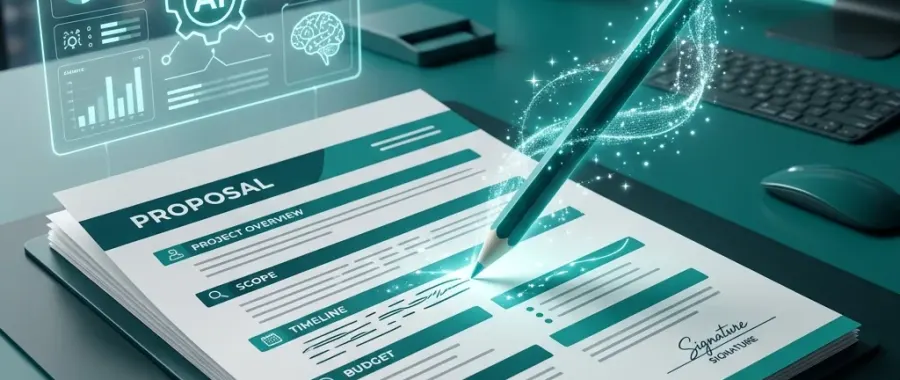
Many small service businesses lose time between a good sales call and a finished proposal. The information exists in call notes, emails, intake forms, and memory, but turning it into a clear proposal takes focus.
AI can help by organizing discovery notes, drafting sections, identifying missing details, and creating a cleaner first version. The business still owns pricing, scope, and promises.
This workflow works well with AI lead follow-up system and CRM automation ideas for small teams.
What the workflow should produce
A good proposal should include:
- Client problem.
- Desired outcome.
- Recommended scope.
- Deliverables.
- Timeline.
- Responsibilities.
- Assumptions.
- Exclusions.
- Pricing section.
- Next steps.
AI can draft most language, but pricing and final scope need human review.
Step 1: Collect discovery inputs
Gather:
- Sales call notes.
- Intake form answers.
- Client emails.
- Existing CRM record.
- Relevant files.
- Previous similar proposal.
- Service package details.
The better the input, the better the draft.
Step 2: Create a proposal brief
Before drafting, ask AI to produce a brief:
```
Proposal brief:
- Client goal:
- Main pain point:
- Recommended service:
- Deliverables:
- Missing details:
- Risks:
- Questions before final pricing:
```
Review this brief first. It is easier to fix a weak brief than a full proposal.
Step 3: Draft the problem statement
The problem statement should show that you understood the client:
- What is happening now?
- Why does it matter?
- What outcome do they want?
- What happens if they delay?
Avoid dramatic claims. Be specific and grounded.
Step 4: Draft the recommended approach
AI can turn your service process into a clear approach:
- Phase 1: discovery or setup.
- Phase 2: implementation.
- Phase 3: testing or review.
- Phase 4: handoff or optimization.
This helps the client understand what they are buying.
Step 5: Identify assumptions and exclusions
This is where AI can protect the business. Ask it to list assumptions and possible exclusions based on the notes.
Examples:
- Client provides access by a certain date.
- Copywriting is included or not included.
- Revisions are limited.
- Third-party fees are separate.
- Timeline depends on approval speed.
A human should approve these before sending.
Step 6: Draft next steps
Next steps should be simple:
- Review proposal.
- Ask questions.
- Approve scope.
- Pay deposit or sign agreement.
- Schedule kickoff.
- Provide onboarding information.
If the proposal is accepted, trigger AI client onboarding workflow.
Step 7: Create a follow-up plan
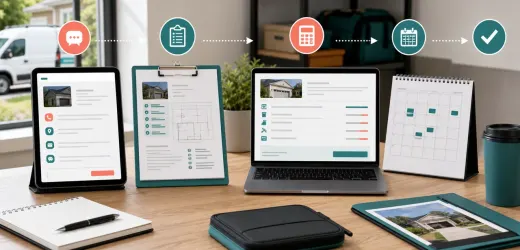
After sending a proposal, automation should create follow-up tasks:
- 2 business days after sending.
- 5 business days after sending.
- 10 business days after sending.
The follow-up message should be useful, not aggressive. It can offer clarification or point to a relevant article.
A safe proposal prompt
Use:
```
Draft a proposal from the approved notes below.
Use clear professional language.
Do not invent prices, guarantees, deadlines, or deliverables.
Mark missing information clearly.
Include assumptions, exclusions, and next steps.
Keep the scope aligned with the approved service details.
```
This prompt makes the limits explicit.
What not to let AI decide
AI should not decide:
- Final price.
- Legal terms.
- Guarantees.
- Refund terms.
- Delivery dates.
- Discount approval.
- Contract language.
Use AI for structure and drafting. Use human judgment for business commitments.
Metrics to track
Track:
- Time from discovery call to proposal sent.
- Proposal acceptance rate.
- Follow-up completion.
- Client questions after proposal.
- Revision requests.
- Lost reasons.
- Onboarding start time after approval.
If clients ask the same questions after every proposal, improve the proposal template or create a knowledge base article.
Common mistakes
The first mistake is sending a proposal that repeats generic service descriptions instead of the client's actual problem.
The second mistake is leaving out assumptions and exclusions.
The third mistake is allowing AI to invent confident promises.
The fourth mistake is failing to follow up after sending.
Final checklist
Before sending:
- Client problem is clear.
- Scope is accurate.
- Pricing is reviewed.
- Assumptions are included.
- Exclusions are included.
- Timeline is approved.
- Next steps are simple.
- CRM follow-up task exists.
AI proposal writing should shorten the path from conversation to clear offer. The proposal still needs human ownership, because it becomes a promise.

No comments yet.
Be the first to ask a question or add a useful note.