My Eyes Hurt After the Solar Eclipse — Should I Be Worried?
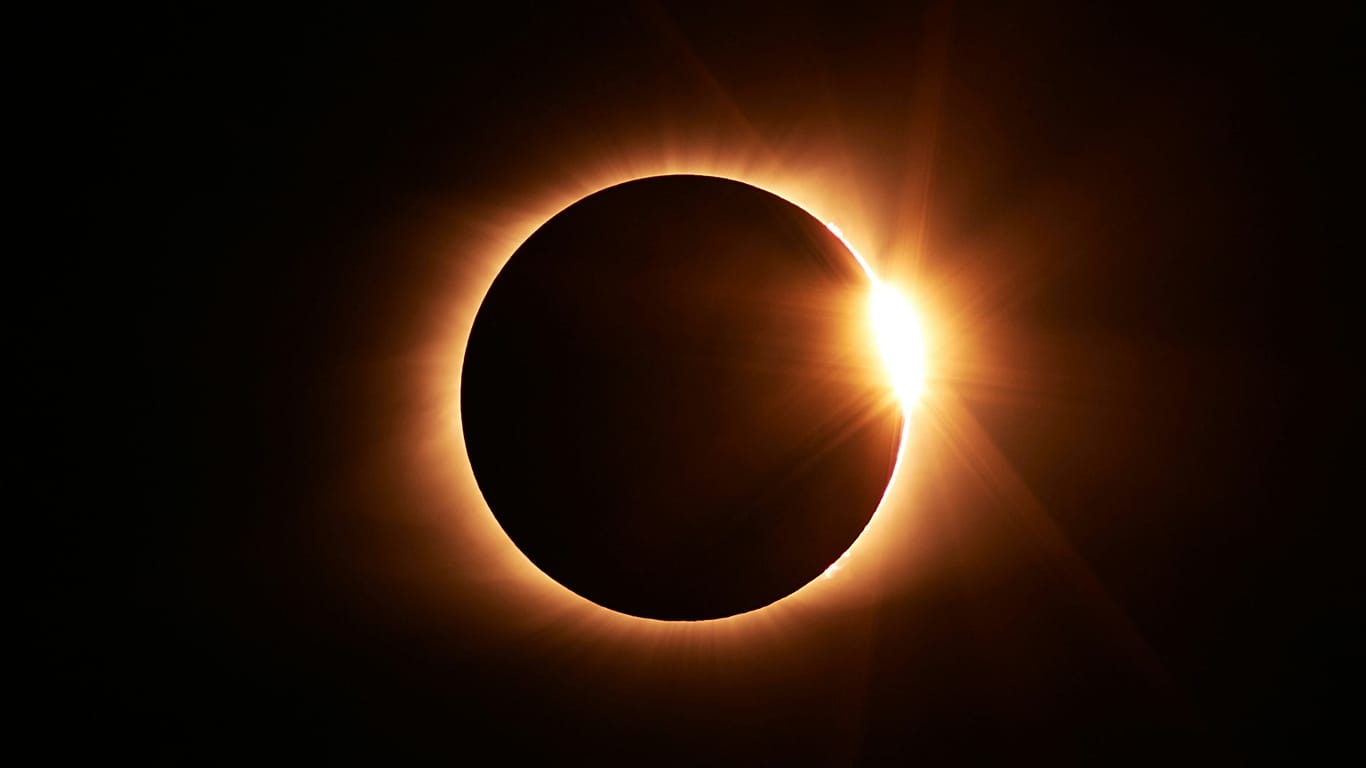
If you’ve just searched “my eyes hurt after the solar eclipse,” you’re not alone. Every time a solar eclipse occurs, many people experience eye discomfort or worry about potential damage from looking at the sun. While some soreness can result from simply straining to see the eclipse or from bright light exposure, it’s important to understand the signs of more serious retinal injury.
This article explains why your eyes may hurt after an eclipse, what symptoms could indicate solar retinopathy, and when you should seek professional care.
Can a Solar Eclipse Damage Your Eyes?
Yes, a solar eclipse can damage your eyes if you look directly at the sun without proper protection. The sun emits intense ultraviolet (UV) and infrared radiation that can burn the retina — the light-sensitive tissue at the back of the eye. This condition is called solar retinopathy or photic retinopathy.
During an eclipse, the moon blocks much of the sun’s light, making it feel less bright and more comfortable to glance at. However, the remaining sunlight is still powerful enough to cause retinal damage. Unlike other burns, this damage is usually painless at first because the retina lacks pain receptors. That’s why people may not realize they’ve injured their eyes until hours later.
Why Do My Eyes Hurt After Watching the Eclipse?
Eye pain after a solar eclipse can have several causes, and not all are serious. Common reasons include:
- Eye strain: Squinting or staring at the sky for a long time can tire the muscles around your eyes.
- Bright light exposure: Even brief exposure to intense sunlight can cause temporary discomfort, tearing, or light sensitivity.
- Dry eyes: Being outside in wind or heat, or forgetting to blink while concentrating, can make your eyes feel dry and irritated.
- Light sensitivity (photophobia): Your eyes may be more sensitive to light after exposure to bright sunlight.
- Corneal irritation: In some cases, UV exposure can cause a condition similar to a mild sunburn on the surface of the eye (photokeratitis), leading to pain, redness, and a gritty feeling.
- Retinal damage: If you looked directly at the sun for more than a few seconds, you may have sustained solar retinopathy, which can sometimes be accompanied by aching or discomfort behind the eyes.
It’s important to note that eye pain alone does not automatically mean you have permanent retinal damage. Many people experience temporary discomfort without lasting vision problems. However, if pain is accompanied by vision changes, you should see an eye doctor promptly.
What Are the Symptoms of Solar Retinal Damage?
Solar retinopathy can cause a range of visual symptoms, which may appear in one or both eyes. These can include:
- Blurred vision
- A dark or blank spot in the center of your vision (central scotoma)
- Distorted vision, where straight lines appear wavy or bent
- Increased sensitivity to light
- Changes in color perception, such as colors looking washed out
- Difficulty seeing fine details, reading, or recognizing faces
- Persistent afterimages or visual disturbances
Symptoms can vary from person to person. Some people notice a problem immediately, while others may not realize anything is wrong until hours or even a day later.
Can Eye Damage Appear Hours After Watching a Solar Eclipse?
Yes. Because the retina has no pain receptors, the initial injury may not be felt. The visual symptoms often develop gradually as the retinal cells become inflamed or die. This is why it’s crucial to monitor your vision for at least 24–48 hours after viewing an eclipse, even if your eyes feel fine at first.
What Should I Do If My Eyes Hurt After the Eclipse?
If you’re experiencing eye pain or discomfort after the eclipse, here are some safe steps you can take:
- Stop looking at the sun immediately.
- Rest your eyes in a dimly lit room.
- Avoid rubbing your eyes, which can worsen irritation.
- Use artificial tears (lubricating eye drops) if your eyes feel dry or gritty.
- Wear sunglasses when outdoors to reduce light sensitivity.
- Monitor your vision closely for any new or worsening changes.
- Do not use any home remedies or over-the-counter medications without consulting a doctor.
If you notice any visual disturbances such as blurriness, blind spots, or distortion, seek professional eye care as soon as possible.
When Should I See an Eye Doctor?
You should see an eye doctor promptly if you experience any of the following after viewing a solar eclipse:
- New or worsening blurred vision
- A dark spot in the center of your vision
- Straight lines appearing wavy or distorted
- Sudden changes in color vision
- Loss of part of your visual field
- Persistent visual abnormalities, such as flashes or floaters
- Significant or worsening eye pain
Even if your symptoms seem mild, an eye examination can help determine whether any retinal damage has occurred and guide appropriate management.
Can Looking at a Solar Eclipse Make You Blind?
Looking directly at the sun during an eclipse can cause permanent damage to the retina, and in severe cases, it can lead to permanent vision loss. However, total blindness (complete loss of all vision) is rare. Most people who suffer solar retinopathy experience partial vision loss, often in the form of a central blind spot or reduced sharpness.
The severity of damage depends on several factors:
- Duration of exposure: The longer you stare at the sun, the greater the risk.
- Intensity of sunlight: Even during an eclipse, the sun’s rays are intense enough to cause damage.
- Use of proper eye protection: Certified solar viewing glasses or filters significantly reduce risk.
- Individual susceptibility: Some people may be more vulnerable to photic damage.
If you only glanced at the sun briefly, your risk of serious injury is lower, but it’s still important to monitor your vision.
How to Safely Watch a Solar Eclipse
To enjoy a solar eclipse without risking your eyesight, follow these safety guidelines:
- Use certified solar viewing glasses that meet the ISO 12312-2 international safety standard. Check for the manufacturer’s name and address, and ensure they are not scratched or damaged.
- Do not use regular sunglasses, no matter how dark they are. They do not block enough UV and infrared radiation.
- Do not use homemade filters such as smoked glass, CDs, or exposed film.
- Use proper solar filters on binoculars, telescopes, or cameras. Never look through these devices while wearing eclipse glasses alone, as the concentrated sunlight can damage both the filter and your eyes.
- Supervise children closely and ensure they use eclipse glasses correctly.
- Consider indirect viewing methods, such as pinhole projectors, which allow you to view the eclipse safely without looking directly at the sun.
Frequently Asked Questions
Is it normal for my eyes to hurt after a solar eclipse?
Mild eye discomfort or soreness can be normal due to eye strain or bright light exposure. However, if you experience vision changes or persistent pain, see an eye doctor.
Can looking at the eclipse damage my retina?
Yes, looking directly at the sun during an eclipse without proper protection can cause solar retinopathy, a type of retinal damage.
How long after an eclipse can symptoms appear?
Symptoms of solar retinopathy can appear within hours to up to a day after exposure. Some people notice changes immediately, while others may not realize until later.
Can you damage your eyes without feeling pain?
Yes, the retina has no pain receptors, so significant damage can occur without any pain. Vision changes are often the first sign.
Can solar eclipse eye damage heal?
There is no proven medical treatment for solar retinopathy. Some people experience partial improvement over weeks to months, but the damage is often permanent. Prevention is crucial.
What does a blind spot after looking at the Sun mean?
A blind spot in your central vision after looking at the sun may indicate damage to the macula, the part of the retina responsible for sharp vision. You should see an eye doctor promptly.
Are regular sunglasses safe for watching an eclipse?
No, regular sunglasses do not provide adequate protection. Only certified solar viewing glasses that meet ISO 12312-2 standards should be used.
Can children look at a solar eclipse?
Children can safely view a solar eclipse only with proper certified eclipse glasses and under adult supervision. Their eyes are more vulnerable to damage.
When should I see an eye doctor after an eclipse?
See an eye doctor if you notice blurred vision, a central blind spot, distorted vision, changes in color perception, or any other persistent visual symptoms after viewing an eclipse.
Final Thoughts
If your eyes hurt after the solar eclipse, try not to panic. Eye strain and dryness are common and often resolve on their own. However, because solar retinopathy can be painless and may not show symptoms immediately, it’s essential to monitor your vision closely. If you notice any changes in your eyesight, seek professional eye care without delay.
Remember, prevention is the best medicine: always use proper eye protection when viewing a solar eclipse.
Disclaimer: This article is for informational purposes only and does not constitute medical advice. If you have concerns about your vision after viewing a solar eclipse, please consult an eye care professional.
No comments yet.
Be the first to ask a question or add a useful note.